Off the Beaten Path: Zambia's Best-Kept Secrets Near Victoria Falls
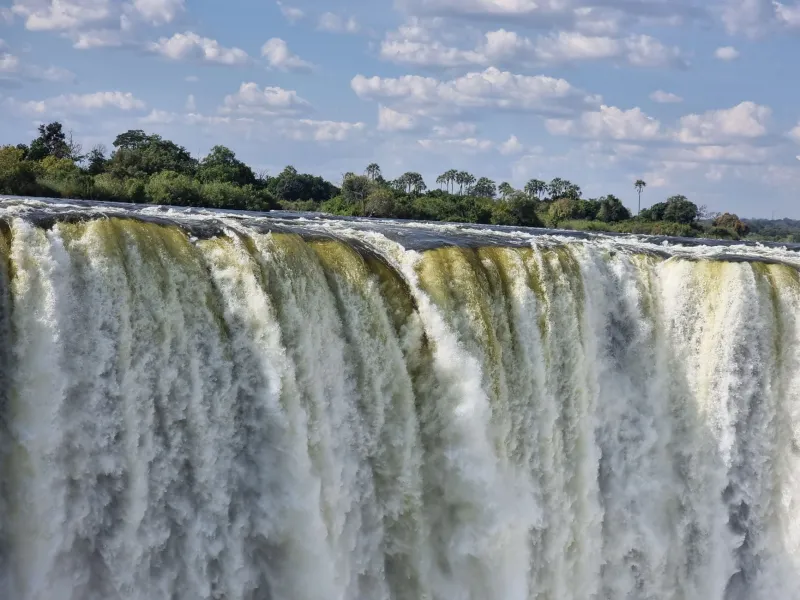
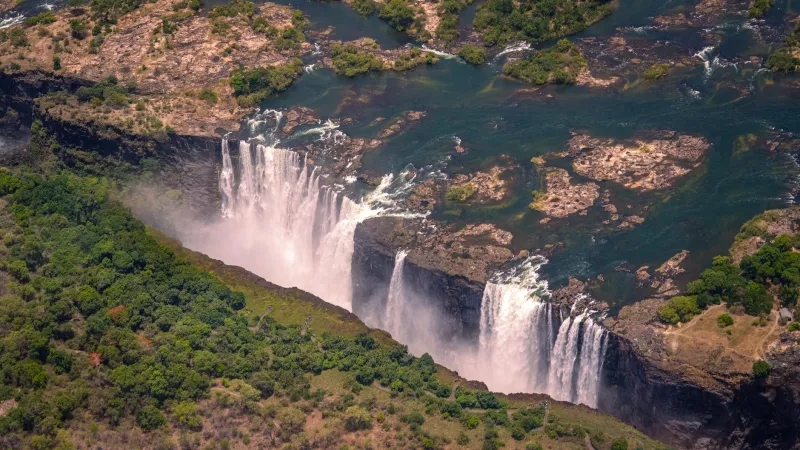
Everybody knows about the falls. You've seen the photos — that massive curtain of white water crashing into the Zambezi Gorge, mist rising like smoke into the sky. It's the reason most travelers book the flight in the first place, and honestly, it delivers every single time. But here's what the glossy brochures don't always tell you: some of the most unforgettable moments in this corner of Zambia happen when you wander a little further from the main event.
If you're the kind of traveler who gets more excited by a hidden trail than a crowded overlook, you're in exactly the right place. Let's talk about what's waiting for you just beyond the thunder.
The Knife-Edge Bridge — Minus the Crowds
Most visitors to Livingstone make a beeline for the main viewing areas inside Mosi-oa-Tunya National Park, and for good reason. But the Knife-Edge Bridge — a narrow footbridge that puts you directly in the path of the spray — tends to clear out in the early morning hours before the tour groups arrive. Get there at sunrise, and you might have the whole trembling, mist-soaked experience almost entirely to yourself.
Bring a dry bag for your phone. Bring a rain jacket even if it's sunny. And bring a sense of humor, because you will get completely soaked. That's kind of the point.
Batoka Gorge: The Grand Canyon Nobody Talks About
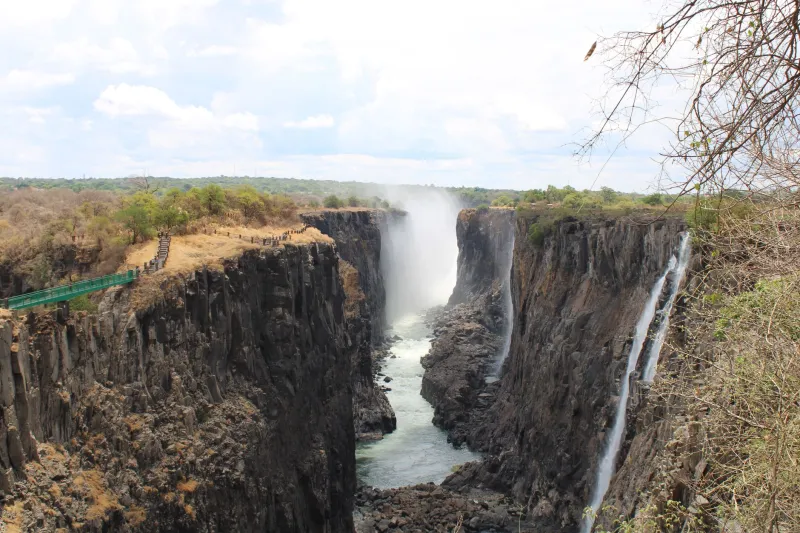
Downstream from the falls, the Zambezi cuts through the Batoka Gorge — a dramatic series of basalt cliffs and churning rapids that stretches for miles. Most people only see this landscape from a whitewater raft, which is an incredible experience in its own right. But fewer visitors know that you can hike sections of the gorge rim on foot, accessing views that feel almost geological in scale.
The trails here are rugged and not always well-marked, so it's worth connecting with a local guide rather than going solo. That investment pays off fast — local guides know which rocky outcroppings give you the cleanest sightlines down into the gorge, and they know the stories behind the landscape in ways that no guidebook can replicate.
Mosi-oa-Tunya National Park's Quieter Corners
The national park is best known for the falls themselves and for white rhino tracking — and yes, you should absolutely do the rhino walk, it's a genuine bucket-list moment. But the park has a longer, less-traveled stretch of riverfront that rewards slow, patient exploration.
Walking along the Zambezi upstream from the falls, you'll encounter hippo pods lounging in the shallows, crocodiles sunbathing on sandbars, and an almost absurd variety of birdlife. African fish eagles, pied kingfishers, carmine bee-eaters — the kind of sightings that make birdwatchers quietly lose their minds. This stretch of riverbank has none of the infrastructure or foot traffic of the main falls area, which means the animals behave like you're not even there.
Village Encounters That Actually Mean Something
About fifteen minutes outside of Livingstone, a handful of local community organizations run village visits that are the genuine article — not staged performances, but real introductions to the daily rhythms of Zambian life. You might spend time with a local family learning to prepare nshima (the country's beloved staple made from white maize), or sit with artisans who've been working with wood and copper for generations.
These visits tend to be small-group or private, and they're a world away from the curio markets near the falls. The conversations you'll have, the meals you might share, the kids who want to practice their English with an American — those are the memories that stick with you long after the photos of the falls have faded into your camera roll.
When you book, look for community-run initiatives where the proceeds stay local. Your guide will almost certainly be from the village itself, which makes all the difference.
The Zambezi on a Mokoro
Sunset cruises on the upper Zambezi are popular for a reason — they're gorgeous, they come with cold drinks, and the light does something extraordinary on the water around 5 p.m. But if you want a slower, quieter version of the river, ask about mokoro excursions. A mokoro is a traditional dugout canoe, and gliding through the quieter backchannels of the Zambezi in one feels like entering a different century entirely.
You're lower to the water, which means you're eye-level with the hippos (at a respectful distance), the reed beds, and the lily pads. It's the kind of experience that makes you put your phone down, which is saying something.
Livingstone Island When the Season Shifts
Livingstone Island sits at the very lip of the falls on the Zambian side, and during the low-water season — roughly August through December — you can visit the island and swim in the Devil's Pool, a natural rock pool right at the edge of the drop. It's already on a lot of people's radar, but what fewer visitors know is that the experience changes dramatically depending on exactly when you go.
Early in the low-water season, the pool is calmer and the views across the falls are more open. Later in the season, the water levels start creeping back up and the whole thing becomes more dramatic — the edge feels closer, the mist builds again. Talk to your operator about timing it right for your travel dates. The difference between a good visit and an unforgettable one can literally come down to a week.
How to Plan Your Off-the-Beaten-Path Day
The key to unlocking Zambia's hidden side is building flexibility into your itinerary. If every hour of every day is already committed to organized tours, you lose the ability to follow a trail that looks interesting or linger somewhere longer than expected.
A good rule of thumb: plan your big-ticket activities — the falls, the rhino walk, the rafting — and then leave at least one full day completely unstructured. Use it to wander Livingstone's local market on Mukuni Road, hire a bike and ride toward the gorge, or simply ask your lodge staff where they go when they have a day off. That last question, more than any travel app or review site, tends to produce the best answers.
Victoria Falls is one of the seven natural wonders of the world, and it absolutely earns that title. But Zambia is a place that rewards curiosity. The smoke thunders, sure — but the quieter corners whisper something just as compelling, if you're willing to listen.