Free Fall, Fast Water, and Pure Fear: The Extreme Sports Revolution Happening at Victoria Falls
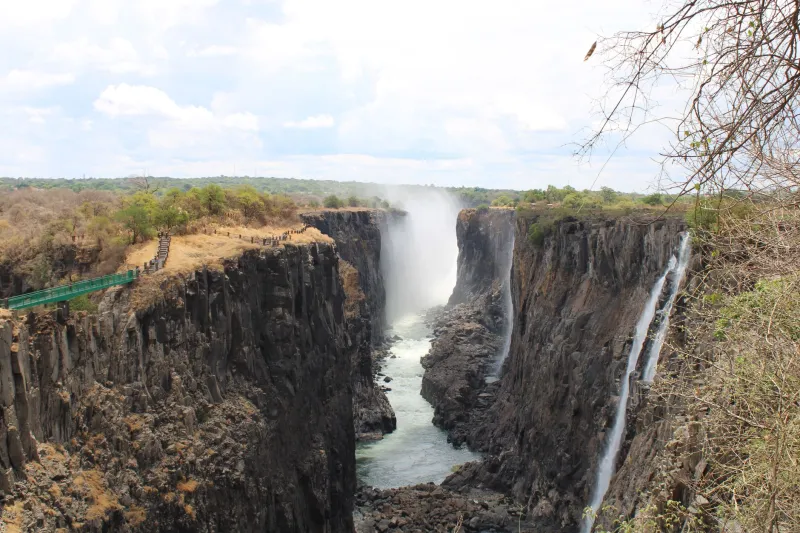
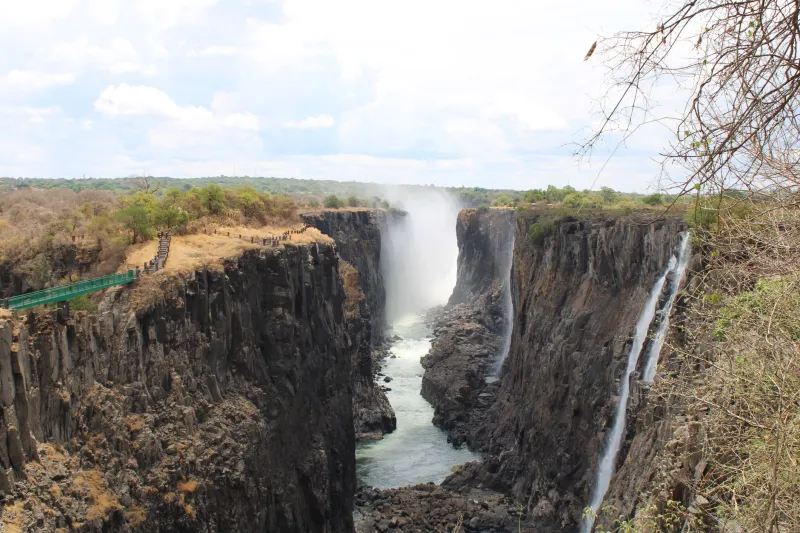
Most people come to Victoria Falls expecting to stand at a railing, stare into the mist, and feel appropriately small. And yeah — that happens. But somewhere between the first glimpse of the gorge and the moment you realize how far down the Zambezi actually is, a different kind of traveler starts doing the math. How fast is that water moving? How long would a person fall before hitting the river? Could I actually do that?
The answer, increasingly, is yes. And a whole industry has grown up around making sure you survive it.
Victoria Falls has quietly become one of the most concentrated adventure sports destinations on earth. Within a few square miles of the falls themselves, you can bungee jump off a bridge that straddles two countries, run whitewater that professional kayakers treat as a career milestone, zip-line across a gorge at speeds that make conversation impossible, and swing out over the Zambezi on a pendulum that covers 525 feet of pure airtime. That's not a bucket list — that's a full week of scheduled terror.
Here's what's actually going on out there, and what you need to know before you show up.
The Bungee Jump: More Science Than You'd Think
The Victoria Falls Bridge bungee is one of the most famous jumps in the world, and it earns that reputation. At 111 meters — just over 364 feet — it drops jumpers into the gorge carved by the Zambezi below the falls, with the river churning visibly beneath you. The bridge itself sits on the border between Zambia and Zimbabwe, which means you're technically in international airspace for the duration of the fall. That detail is either thrilling or irrelevant depending on your mindset at the time.
What most people don't think about until they're standing on the platform is the engineering involved. The cord isn't a single rubber band — it's a precisely calculated system of latex cords rated to a jumper's weight, designed to stretch to roughly twice its resting length and then recoil without snapping you back with enough force to cause injury. The operators here have been running jumps since the early 1990s and have refined their systems over tens of thousands of jumps. That history matters. When a local guide tells you the setup is safe, they're not guessing.
First-timers consistently report the same thing: the fear peaks in the three seconds before the jump, not during it. Once you're in the air, the brain apparently runs out of bandwidth for anxiety.
White-Water Rafting the Zambezi: Why Guides Call This the Best in the World
The stretch of the Zambezi River below Victoria Falls is routinely listed among the top whitewater runs on the planet. That's not marketing copy — it's a consensus among professional paddlers who've run rivers on every continent. The gorge creates a series of rapids rated Class IV and Class V, the two highest categories on the international scale, and the geography means the water has nowhere to go but fast and loud.
Rafting trips typically launch from the base of the gorge and run anywhere from a half-day to a full multi-day expedition. The shorter trips hit the most iconic rapids — names like The Terminator, Oblivion, and Gnashing Jaws of Death, which tells you something about how the guides feel about understatement. Full-day trips cover around 15 miles of river and include calmer stretches where you can actually breathe and take in the canyon walls rising around you.
Local guides are the real story here. Many of them have been running this river for 20-plus years, and their knowledge of how the water behaves at different levels — the Zambezi's volume changes dramatically between dry and wet season — is the kind of thing you can't learn from a manual. They'll read a rapid from 50 yards out and make adjustments that keep an inexperienced raft from flipping. They also know exactly which flips are survivable and how to get everyone back in the boat quickly, because on a river like this, that's a practical skill, not a hypothetical one.
If you've never rafted before, the Zambezi is genuinely challenging as a first experience. Most operators offer a commercial raft option where a guide paddles with the group, which is the smart call for beginners. If you have some river experience and want to paddle your own boat, kayak options exist — but talk honestly with your outfitter about your skill level before committing.
The Zipline and the Gorge Swing: Different Flavors of the Same Rush
For travelers who want serious elevation and speed without the full commitment of a bungee jump, the zipline and gorge swing offer compelling alternatives — and they're genuinely different experiences despite both involving a harness and a lot of open air.
The zipline runs across the gorge at speeds up to 60 miles per hour, covering a distance that takes about 30 seconds to complete. It's fast enough that the scenery becomes a blur and the sound of the wind drowns out everything else. The view, in the brief moments you can process it, is straight down into the gorge with the Zambezi threading through the bottom. It's the kind of perspective that doesn't exist anywhere else.
The gorge swing is a different animal. Instead of a straight line, you're attached to a cable that arcs outward as you drop, converting the vertical fall into a pendulum swing across the face of the gorge. The freefall portion lasts about three seconds — which is longer than it sounds when you're counting — before the cable catches and swings you in a wide arc over the river. People who've done both the bungee and the gorge swing often say the swing feels more out of control, which depending on your disposition is either a selling point or a reason to stick with the zipline.
Practical Notes for the First-Timer
A few things worth knowing before you book anything:
Weight and health restrictions are real. Most operators have weight limits (typically around 265 pounds for bungee, though this varies) and will ask about heart conditions, back problems, and pregnancy. These aren't formalities — the physics of these activities put real stress on your body, and the guides aren't being cautious for liability reasons alone.
Timing affects the experience significantly. The Zambezi's water level changes with the seasons, and the rapids are more intense during high water (generally March through July). If you're set on rafting the biggest rapids, the low-water season (August through January) offers more exposed rock and more technical runs. High water is more powerful and more forgiving in different ways — talk to your operator about what you're looking for.
Book through established operators. This isn't a scene where you want to bargain-hunt. The companies that have been operating here for decades have safety records, trained guides, and equipment that gets inspected and replaced on schedule. The price difference between a reputable outfitter and a cut-rate option is not worth the tradeoff.
Give yourself a buffer day. If you're planning to do multiple activities, don't schedule them all back-to-back on the same day before a flight home. Your body — and your nerves — will appreciate the recovery time.
Victoria Falls built its reputation on one of the most spectacular natural features on earth. But the adventure sports industry that's grown up around it has added something the falls themselves can't provide: the chance to be an active participant in the experience rather than a spectator. That shift — from watching the power of the Zambezi to being inside it — is what keeps people coming back.