Africa on a Budget: Your Real-Numbers Guide to Victoria Falls Without the Sticker Shock

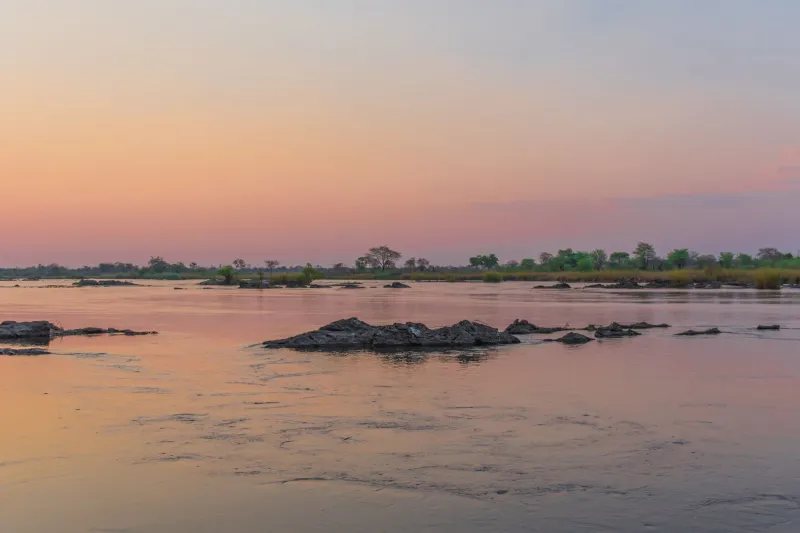
Photo: Diego Delso, CC BY-SA 4.0, via Wikimedia Commons
Let's be honest. When most Americans picture an African adventure, dollar signs start flashing pretty fast. Safari lodges you've seen on Instagram, helicopter rides over a waterfall the size of a city block, sundowner cocktails at the edge of a gorge—it all sounds like the kind of thing that belongs in someone else's tax bracket.
Here's what the travel industry doesn't always advertise: Victoria Falls, Zambia, is one of the more accessible bucket-list destinations on the planet if you know where to look. The key is separating what's genuinely expensive from what just sounds expensive. Let's run the numbers.
Getting There: Flights From the US
This is typically the biggest line item, and it pays to plan early. Round-trip flights from major US hubs like New York, Chicago, or Los Angeles to Livingstone Airport (LVI)—the closest airport to the Falls on the Zambian side—usually involve at least one connection, often through Johannesburg or Nairobi.
Expect to pay anywhere from $900 to $1,600 for economy class if you book three to six months out. Business class can climb to $4,000 or more, but that's entirely optional. Flying into Johannesburg first and catching a short connecting flight to Livingstone is often the most affordable routing. Budget around $1,100 to $1,300 as a realistic middle-ground target if you're flexible with dates.
Pro tip: mid-week departures and flying during the shoulder seasons (November and March) can shave a couple hundred dollars off your ticket. Use Google Flights' price tracking feature and set alerts—deals do pop up.
When You Go Changes Everything
Victoria Falls has two distinct seasons that affect both your experience and your wallet.
High season (July to October) is peak pricing across the board. The Falls are at a more photogenic level, wildlife is easier to spot in the national parks, and the weather is dry and comfortable. Expect to pay premium rates for accommodation and activities.
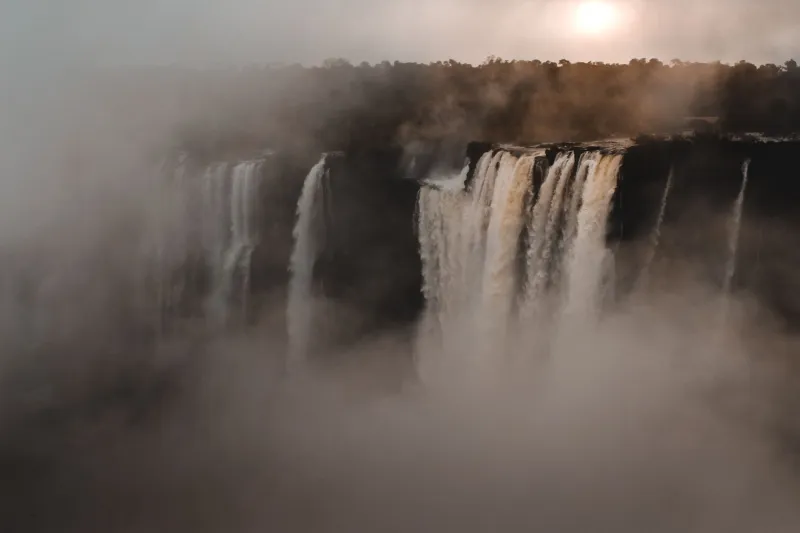
Shoulder and low season (November through March) is when the deals emerge. The Falls are actually at their most thunderous—Zambia's rainy season swells the Zambezi River to full power, and the mist can be so intense it soaks you from fifty feet away. Accommodation prices drop noticeably, sometimes by 20 to 40 percent, and crowds thin out considerably. The tradeoff is that some activities (like Devil's Pool, the natural infinity pool at the edge of the Falls) are only available during lower water levels.
Accommodation: From Backpacker Basics to Mid-Range Comfort
Livingstone, Zambia offers a surprisingly wide range of places to stay, and you don't have to sacrifice comfort to stay within budget.
- Backpacker hostels and guesthouses: $25–$60 per night. Places like Jollyboys Backpackers have a well-earned reputation among budget travelers. Clean, social, and often located with easy access to the Falls.
- Mid-range lodges and boutique hotels: $80–$180 per night. This is the sweet spot for most American travelers—comfortable rooms, often with pools, breakfast included, and genuine Zambian hospitality. You'll find solid options within a 10-minute drive of the Falls.
- Luxury lodges: $300–$800+ per night. Yes, these exist and they're extraordinary. But they're absolutely not required for a meaningful experience.
For a week-long trip, a couple sharing a mid-range room can realistically budget $600–$900 total for accommodation. Solo travelers should look at guesthouses and hostels to keep costs manageable.
Meals: Eating Well Without Eating Into Your Budget
Food in Livingstone is genuinely affordable by American standards. A sit-down meal at a local restaurant—grilled fish, nshima (a staple maize porridge), fresh vegetables—might run you $8–$15 per person. Supermarkets in town are well-stocked for self-catering if you're staying somewhere with a kitchen.
The tourist-facing restaurants near the Falls are pricier, naturally. Expect to pay $20–$40 per person at the more polished spots. A few splurge meals at scenic restaurants overlooking the gorge are worth building into the budget—just don't eat every meal there.
Realistic daily food budget: $25–$50 per person, depending on how many meals you cook versus eat out.
Activities: Prioritize, Don't Panic
This is where most first-timers overspend by trying to do everything at once. The Falls themselves are the main event, and the entry fee is modest—around $20 per person for the Zambian side.
Here's a quick rundown of popular activity costs:
- White-water rafting (full day): $120–$160 per person
- Bungee jumping: around $160
- Helicopter flight over the Falls: $150–$200 for a 12-minute flight
- Sunset river cruise: $45–$75 per person
- Devil's Pool swim (seasonal): $95–$110 per person
- Village tours and cultural experiences: $15–$40
A focused week with two or three headline activities plus daily Falls visits and a sunset cruise can be done for $400–$600 in activities per person. You don't need to do everything—pick what genuinely excites you and do those things properly.
The Real Total: What a Week Costs
Pulling it all together for one person, a realistic week at Victoria Falls looks something like this:
| Expense | Budget Range |
|---|---|
| Round-trip flights | $1,000–$1,400 |
| Accommodation (7 nights) | $300–$700 |
| Food | $175–$350 |
| Activities | $300–$600 |
| Transfers and transport | $50–$150 |
| Total | $1,825–$3,200 |
For comparison, a week in Paris or the Caribbean often lands in similar territory—sometimes higher. Africa doesn't have to mean expensive.
Hidden Savings the Regulars Know About
Book activities through your accommodation. Many guesthouses and lodges have direct relationships with activity operators and can get you better rates than booking cold online.
Travel in a group. Several operators offer group discounts, and sharing a taxi or transfer from the airport splits that cost immediately.
Eat where the locals eat. Livingstone's town center has excellent, inexpensive food that tourists rarely discover. Ask your guesthouse for recommendations.
Don't over-schedule. Spending an afternoon just sitting at the Falls—watching the mist roll, listening to the roar—costs nothing and is genuinely one of the most memorable parts of any trip here.
Victoria Falls rewards the prepared traveler. Know what things cost, choose your splurges deliberately, and you'll come home having experienced something extraordinary without the financial hangover.