Eat Like the River Flows: How a Week at Victoria Falls Changes the Way You Think About Food
Most Americans don't go to Victoria Falls expecting a food awakening. They come for the white-water rafting, the bungee jump, the spray-soaked view of one of the world's great natural wonders. But somewhere between the first morning of fresh papaya on a lodge veranda and the last sunset dinner beside the Zambezi, something quietly shifts. The snack-grabbing, screen-scrolling, eat-without-thinking habits that define so much of daily life back home? They just... stop.
It's not a cleanse. Nobody's handing you a juice regimen. It's something more organic — and honestly, more lasting.
The Environment Does the Work First
There's a reason nutritionists talk so much about context when it comes to eating. Where you are, how you feel, how much mental noise surrounds you — all of it shapes what you reach for and how much you actually enjoy it. Victoria Falls strips away most of that noise almost immediately.
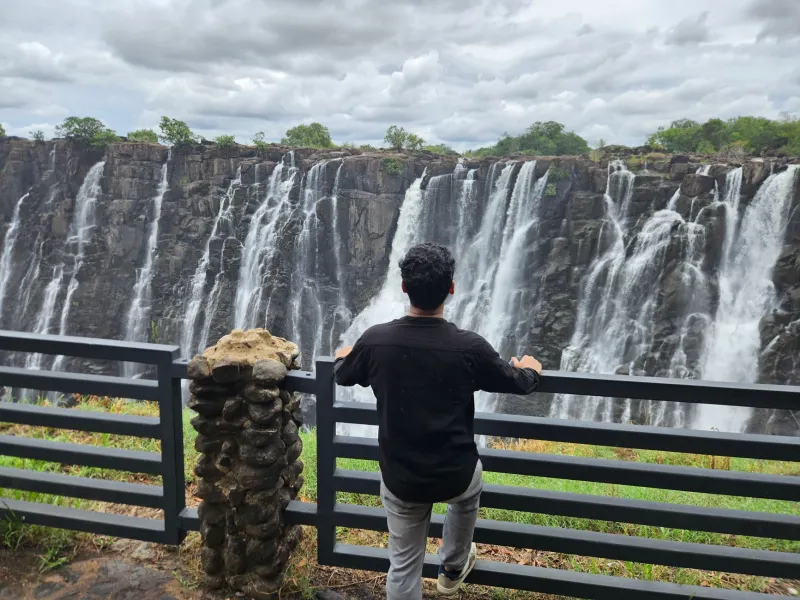
The falls themselves generate a constant, low roar that functions almost like white noise for the nervous system. The mist hangs in the air. The pace of the surrounding Livingstone area — named for the explorer David Livingstone, who was the first European to document the falls — is genuinely slower than anything most US travelers have experienced since childhood. There's no DoorDash. There's no drive-through. There's no vending machine in the hallway.
What there is: real food, prepared with care, often sourced within a few miles of where you're sitting.
What Zambian Cuisine Actually Tastes Like
If you're picturing bland or unfamiliar, let that go right now. Zambian food is hearty, fresh, and built around ingredients that are as far from processed as you can get.
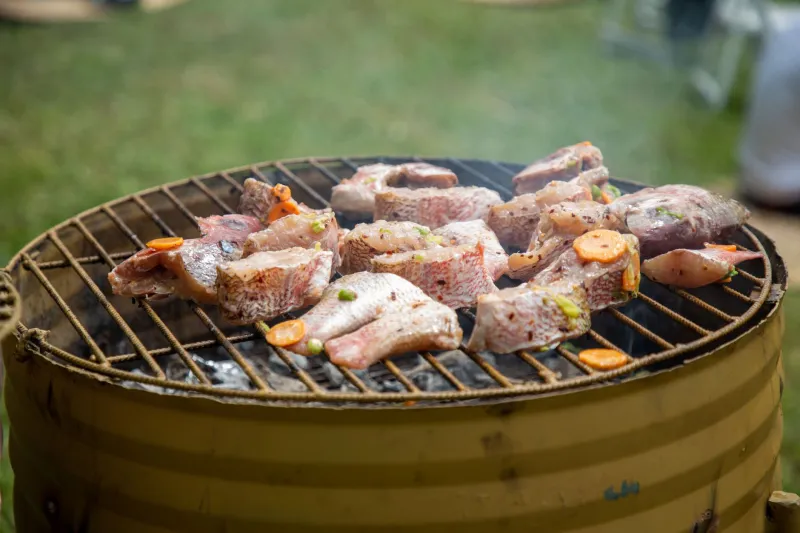
The foundation of most meals is nshima — a thick, smooth porridge made from white maize that functions a bit like grits or polenta. You eat it with your hands, tearing off a piece and using it to scoop up accompanying dishes. Those dishes might include ifisashi (leafy greens cooked down with peanuts), grilled tilapia or bream fresh from the Zambezi, slow-cooked bean stews, or roasted sweet potato. It's filling in a way that's completely different from being full after a fast-food meal — you feel satisfied rather than sluggish.
For travelers who've spent years eating on autopilot, the simple act of eating with their hands, at a table with other people, without a phone in their face, is almost revelatory. Meals become events again.
Farm-to-Table Isn't a Trend Here — It's Just How Things Work
In the US, "farm-to-table" is a marketing term on a chalkboard menu. Near Victoria Falls, it's just geography. The region's fertile soil and reliable rainfall (the falls generate their own microclimate, keeping surrounding vegetation lush even in dry months) mean that lodges and camps can source produce locally with minimal effort.
Several of the upscale safari lodges near Livingstone maintain their own kitchen gardens. You'll eat tomatoes that were picked that morning, herbs that grew six feet from the kitchen door, eggs from chickens you might have spotted wandering the property. Some camps even take guests on guided tours of their gardens before dinner — a small touch that completely changes how you relate to what's on your plate.
The Royal Livingstone and Tongabezi Lodge, among others, have built menus that rotate with what's in season and what's locally abundant. This isn't virtue signaling — it's practical, delicious, and it recalibrates your expectations in ways you'll feel for months after you get home.
Why the Pace Matters More Than the Menu
Here's the thing that nobody tells you before you go: you will probably eat less at Victoria Falls, and enjoy it more. Not because the portions are small, but because you're not eating to manage stress or fill time.
Back in the US, a huge percentage of what we eat is driven by boredom, anxiety, habit, or convenience. At the falls, those triggers largely disappear. You wake up energized by fresh air and birdsong. You spend the day physically active — hiking the gorge trails, kayaking, taking a sunset cruise on the Zambezi. By the time dinner arrives, you're genuinely hungry in a way that feels clean and honest.
You also eat slower. Partly because the setting invites it — it's hard to rush a meal when you're watching elephants cross the river in the fading light. Partly because the food rewards attention. You start noticing flavors again.
A Few Things Worth Trying Before You Leave
Beyond nshima and grilled fish, a few experiences are worth seeking out specifically for the food angle:
The Zambezi Dinner Cruise — Floating down the river at sunset with a spread of local dishes and cold Mosi lager (Zambia's national beer, named for the local name for the falls) is one of those experiences that sounds touristy but delivers something genuinely memorable.
Bush breakfast after a morning game drive — Many lodges pack a simple breakfast to be eaten in the bush after an early wildlife walk. Eating a hard-boiled egg and fresh fruit while a giraffe grazes thirty yards away does something to your brain that no brunch spot in Brooklyn can replicate.
Local market visits in Livingstone — If your tour company or lodge offers a guided visit to one of Livingstone's local markets, take it. You'll see the ingredients that stock local kitchens, try street food like vitumbuwa (small fried dough fritters, perfect with tea), and get a ground-level sense of how food actually moves through the community.
Bringing It Home Without Losing It
The real question is whether any of this sticks once you're back in your regular life. The honest answer: it depends on what you do with it.
What tends to last is less about specific recipes and more about recovered instincts. Travelers who've spent a week eating simply and well often come home with a renewed ability to notice when they're actually hungry versus when they're just restless. They cook more. They eat slower. They're less interested in the convenience-food shortcuts that felt essential before the trip.
A few practical things that help bridge the gap: seek out a local farmers market and make it a weekly ritual, learn to make one or two simple Zambian dishes at home (nshima is genuinely easy; ifisashi requires nothing exotic), and try eating at least one meal a week without screens — just food, a table, and whoever's with you.
Victoria Falls won't fix your diet. But it might remind you what eating is actually supposed to feel like — and that's a better starting point than any cleanse you'll find on Instagram.