The Soul of the Smoke: What Victoria Falls Means to the People Who've Always Called It Home
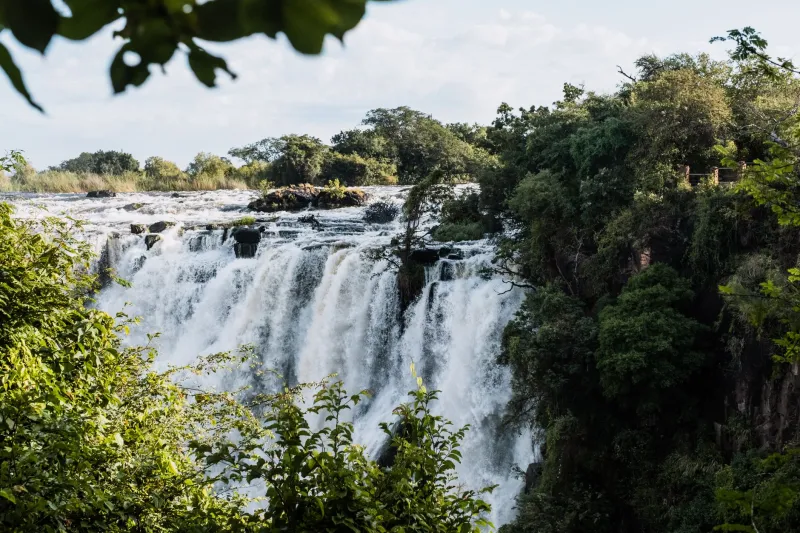
Stand close enough to Victoria Falls and you'll feel it before you see it — a deep, chest-level rumble, a wall of mist that soaks you through in minutes, a roar so constant it becomes its own kind of silence. For most visitors, that first encounter is purely physical. Overwhelming. Almost disorienting.
But for the communities who have lived along the Zambezi River for centuries, that sensation carries an entirely different kind of weight. The falls aren't just a natural wonder. They're a living presence — a force that has shaped language, ceremony, spiritual belief, and identity in ways that no travel brochure has ever quite managed to capture.
If you're planning a trip to Zambia's side of the falls, this is the context worth carrying with you.
What the Name Actually Tells You
Most visitors learn pretty quickly that Victoria Falls has another name: Mosi-oa-Tunya, a phrase from the Lozi language that translates roughly to "The Smoke That Thunders." It's a beautiful name, and it tends to get repeated on signage and in tour scripts — but it rarely gets the explanation it deserves.
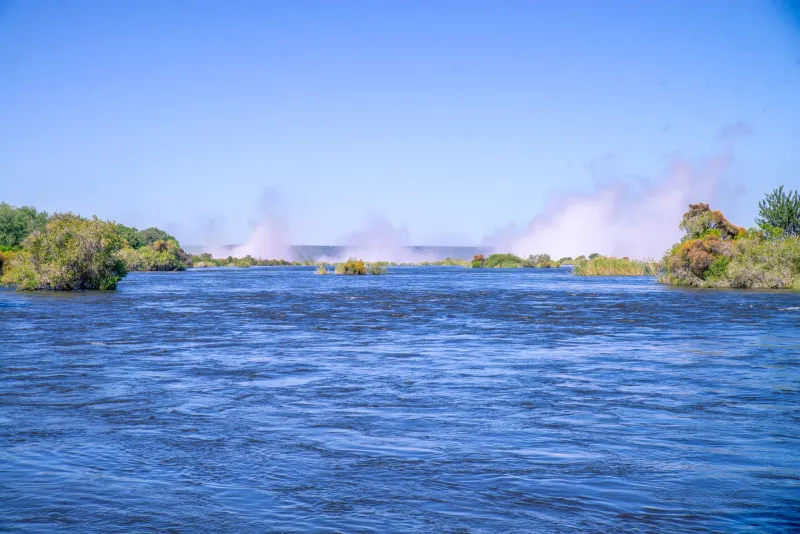
The Lozi people, one of the dominant cultural groups of western Zambia, didn't name the falls after what they saw. They named it after what they experienced. The "smoke" refers to the enormous plume of mist that rises hundreds of feet into the air, visible from miles away across the flat savanna. The "thunder" is the sound — a low, rolling boom that carries across the landscape and changes pitch with the seasons.
This wasn't poetic license. It was practical geography. Long before GPS or road signs, Mosi-oa-Tunya was a landmark you could locate by ear and by the pillar of vapor rising above the treeline. The name is, in its own way, a navigation tool — and that speaks to how deeply integrated the falls were into everyday Zambian life long before the first European explorer arrived and, rather presumptuously, renamed it after a queen.
A Place Where the Spirit World Gets Closer
For many of the indigenous communities along the Zambezi, the falls have long been understood as a threshold — a place where the boundary between the living world and the spiritual one becomes unusually thin.
The Tokaleya people, considered among the earliest inhabitants of the region, held the falls in particular reverence. Oral histories describe the site as a dwelling place for powerful spirits, and local tradition held that only certain individuals — elders, healers, spiritual leaders — could approach the gorge directly without risk. The mist, the sound, the sheer scale of the place were all read as evidence of a presence that demanded respect.
These weren't superstitions in the dismissive sense that word sometimes implies. They were frameworks for understanding a genuinely extraordinary natural phenomenon — and for establishing a relationship with it that was built on humility rather than conquest. That distinction matters.
Even today, you'll find that many Zambian guides speak about the falls with a kind of reverence that goes beyond professional enthusiasm. Ask the right questions, and you'll hear stories that have been passed down through generations — stories that don't appear in any guidebook.
Ceremonies, Rain, and the River's Rhythms
The Zambezi River is the lifeblood of the region, and Victoria Falls is its most dramatic expression. It's no surprise, then, that the falls became a focal point for ceremonies tied to the river's seasonal cycles.
Rain-calling ceremonies, practiced among several Zambezi communities, historically incorporated prayers and offerings directed toward the falls. The logic was straightforward: the falls were the most powerful manifestation of water's force in the known world. If any place could carry a petition for rain to the spirit world, it was Mosi-oa-Tunya.
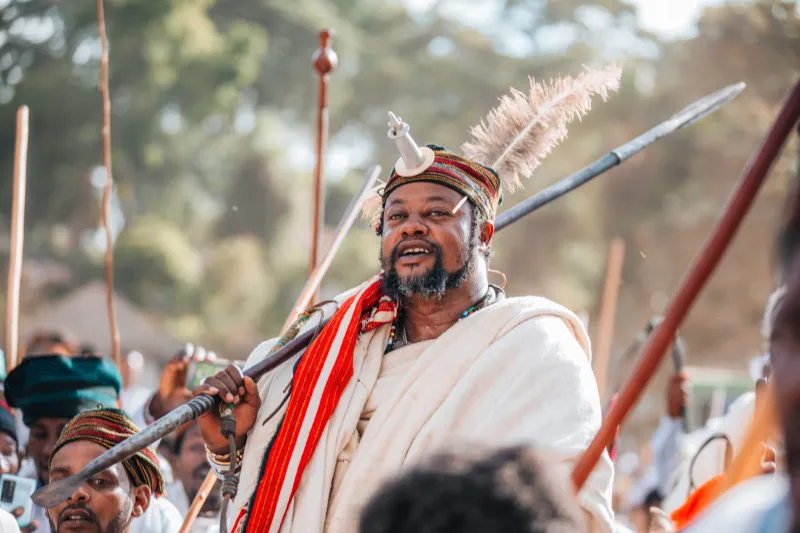
The Kuomboka ceremony — one of Zambia's most celebrated traditional events, still held annually — centers on the Lozi king's ceremonial migration from the flooded Barotse floodplain to higher ground. While the ceremony itself takes place upriver, its rhythms are inseparable from the Zambezi's seasonal behavior, which the falls help define. Attending Kuomboka, if your timing allows, offers a window into a living cultural tradition that connects directly to the same waterway you'll be standing beside at the falls.
How the Falls Shaped a National Identity
Zambia gained independence in 1964, and in the decades since, Mosi-oa-Tunya has taken on a new layer of meaning — one that's civic and national as much as spiritual.
The falls appear on Zambian currency. The national parks authority uses imagery tied to the falls in its branding. When Zambia wants to show the world what it is, the falls are almost always part of that picture. But this isn't just tourism marketing. There's a genuine pride in the Zambian relationship to Mosi-oa-Tunya that runs deeper than economic value.
For many Zambians, the falls represent something the colonial era tried to erase: a pre-existing identity, a name, a set of stories that belonged to the people of this land long before any outsider showed up to "discover" it. The push to use the name Mosi-oa-Tunya alongside (or instead of) "Victoria Falls" is, in part, an act of cultural reclamation — a quiet but persistent insistence that this place has always had a name, and that name means something.
As a visitor, using the name — even casually, even just in conversation with your guide — is a small gesture that tends to land well.
What This Means for Your Visit
None of this is meant to make your trip feel complicated or weighted down with obligation. Quite the opposite, actually.
Knowing the cultural and spiritual history of Mosi-oa-Tunya makes the experience richer. When you're standing at the lip of the gorge and the mist is rolling over you and the sound is so big it seems to come from inside your own chest — you're not just witnessing a geological spectacle. You're standing in a place that has moved people, spiritually and emotionally, for as long as people have been here to be moved.
That's worth something.
Many tour operators on the Zambian side offer cultural experiences alongside the adventure activities — village visits, conversations with local historians, guided walks that include the stories attached to specific viewpoints along the gorge. If your itinerary has room for even one of these, take it. The falls will still be spectacular. But they'll mean more.
And when someone asks you what Victoria Falls was like, you'll have an answer that goes a little deeper than "loud" and "wet" — though honestly, it's both of those things too.