The Voice of the Falls: Sacred Sound, Ancient Stories, and What the Thunder Is Really Saying
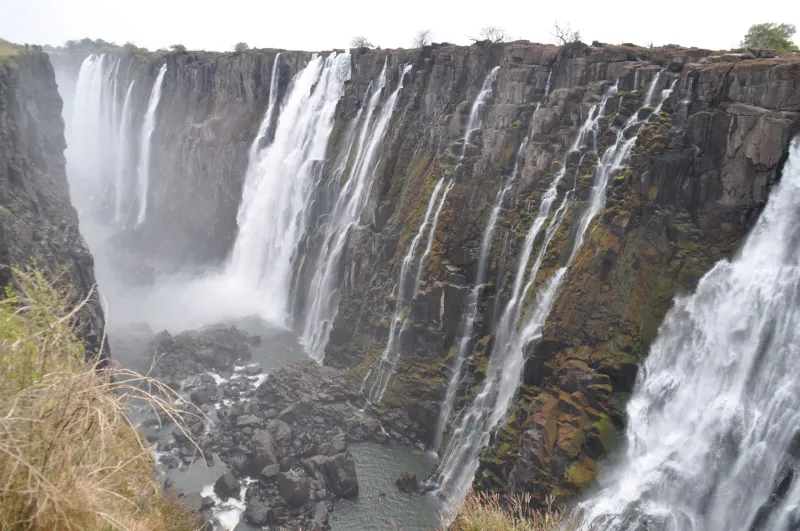
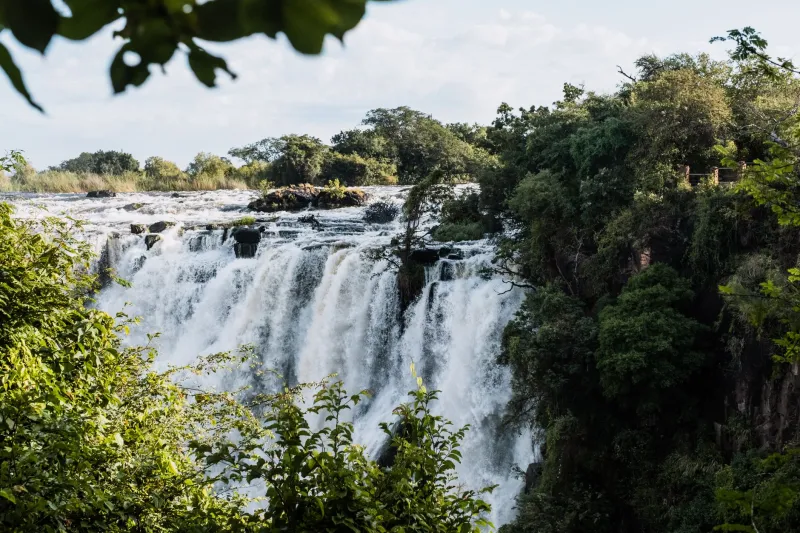
Close your eyes at the edge of Victoria Falls and let the sound do its work. It doesn't creep up on you — it arrives all at once, a full-body pressure that rattles your chest and fills your skull and makes ordinary conversation completely pointless. Most visitors describe it as overwhelming. Some say it's humbling. A few admit it made them cry, though they couldn't quite explain why.
The Kololo people, who gave the falls their most enduring name, didn't need to explain it either. Mosi-oa-Tunya — the Smoke That Thunders — wasn't a description so much as a recognition. The sound was already a presence before anyone put words to it. And for the communities who have called this region home for generations, that presence has never been just geological. It has always been something more.
A Name That Carries Weight
When American travelers hear "Victoria Falls," they're hearing a colonial label — the name David Livingstone attached to the falls in 1855, honoring a queen who never set foot in Africa. But the local name, Mosi-oa-Tunya, predates Livingstone by centuries and carries an entirely different kind of meaning.
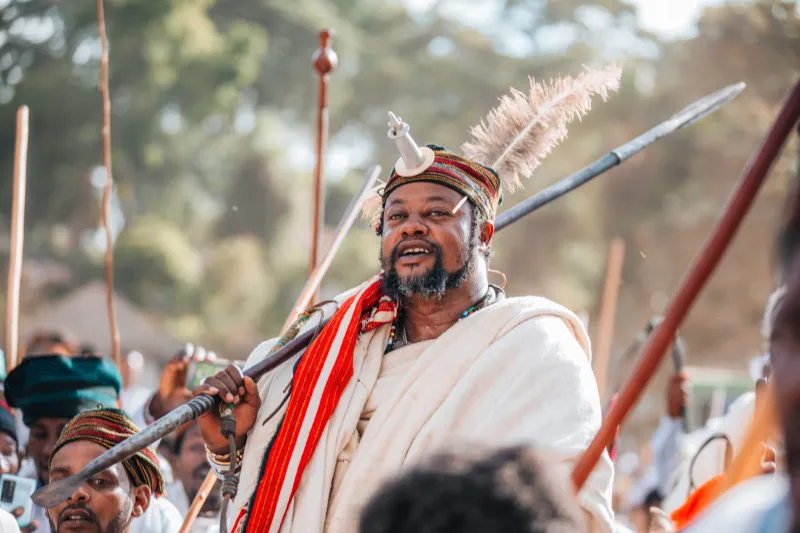
For the Tonga people, one of the region's oldest indigenous communities, the falls represent a threshold — a place where the physical world and the spiritual world press up against each other. The sound is central to that belief. It's not just the water falling; it's the communication that results. Local elders describe the roar as a form of speech, a continuous message from ancestral spirits who reside in the mist and the deep gorges below.
"The falls speak," one spiritual leader from the Livingstone district explained to a researcher documenting oral traditions in the region. "They have always spoken. We learned to listen before we learned to write anything down."
Rituals Rooted in the Roar
The sound of the falls has shaped ceremony here in ways that most visitors never get to witness. Traditional rain-calling rituals among the Tonga and Lozi peoples have historically incorporated the falls as a focal point — a place to petition the spirits during drought, to give thanks after good rains, and to mark the turning of seasons.
These aren't museum-piece traditions. Communities near Livingstone still perform ceremonies tied to the falls and the Zambezi River, including the Kuomboka, the Lozi king's ceremonial canoe journey that marks the flood season's arrival. The thunderous swell of the river during high water — when the falls are at their most deafening — signals the time for movement, for transition, for honoring what the water provides.
Smaller, less publicized rituals happen at the falls themselves. Local spiritual practitioners visit the viewpoints and the forest paths not as tourists but as participants in an ongoing relationship with the site. Offerings are sometimes left near the water's edge. Prayers are spoken into the mist. The sound absorbs them.
What the Mist Carries
There's a belief among several local traditions that the mist rising from the falls — that permanent cloud visible from miles away — is itself spiritually charged. It's the breath of the water, the physical evidence of the falls' power made visible. For communities who have watched that mist rise and fall with the seasons for generations, it functions almost like a weather forecast and a spiritual barometer at once.
High mist, loud thunder: the spirits are active, the land is alive, the year will be abundant. Low mist, quieter roar: a time for caution, for reflection, for paying attention to what the landscape is trying to communicate.
This isn't superstition in the dismissive sense — it's a sophisticated system of environmental observation wrapped in spiritual language, developed over centuries by people who depended on the Zambezi for everything. The sound of the falls told them things. They built a worldview around listening.
Stories That Live in the Sound
Oral traditions in the region are full of the falls. There are stories of ancestral heroes who leaped into the gorge and were transformed. There are cautionary tales about those who approached the water's edge without proper respect and were pulled under by spirits offended by their arrogance. There are love stories set against the roar, origin myths that explain why the river bends the way it does, and creation narratives in which the sound of the falls was the first sound the world ever made.
These stories aren't static. They're still being told, still being adapted, still being passed from grandparents to grandchildren in villages near Livingstone. Younger generations are finding new ways to carry them — through music, through visual art, through social media accounts that blend traditional knowledge with contemporary storytelling.
The sound, in other words, is still generating narrative. It hasn't stopped.
How to Listen Differently as a Visitor
Here's the thing about arriving at Victoria Falls as an American tourist: you've probably spent months planning the logistics. The flights, the accommodation, the activity bookings. You've thought about what you're going to see. But the falls will ask something different of you the moment you arrive. They'll ask you to hear.
A few ways to engage with the sound more intentionally:
Arrive before the crowds. Early morning visits — before the tour groups and day-trippers fill the paths — give you a chance to experience the roar without the overlay of human chatter. The sound is different at 7 a.m. It feels more personal.
Seek out cultural context before you go. Several operators in Livingstone offer guided experiences that incorporate local history and indigenous knowledge alongside the standard adventure activities. Ask specifically about cultural interpretation — the best guides will connect the landscape to the stories that live inside it.
Visit the Livingstone Museum. It's not glamorous, but it's genuinely informative, with exhibits on Tonga and Lozi traditions that give the falls a human context most guidebooks skip entirely.
Respect ceremonial spaces. If you notice offerings near the water, leave them alone. You're standing in a place that functions as a temple for some of the people who live nearby. Carry that awareness with you.
The Sound That Outlasts Everything
Victoria Falls has been a UNESCO World Heritage Site since 1989. It's been photographed billions of times. It has appeared in documentaries, adventure films, and more Instagram feeds than anyone could count. And through all of it, the sound has remained exactly what it always was: enormous, indifferent to human categories, and stubbornly alive.
The legends and spiritual practices built around that sound aren't footnotes to the experience of visiting the falls. They're the deeper layer of it — the part that explains why people have been drawn here not just to look, but to be present, for as long as anyone can remember.
Mosi-oa-Tunya. The Smoke That Thunders.
It's been speaking for a very long time. You just have to show up ready to listen.